Hazmat Cleanup
Hazmat cleanup uses the appropriate protective equipment for hazardous materials.
See hazmat cleanupGet help with chemical spills, toxic residue, damaged containers and contaminated materials in Welby. The substance is identified before the cleanup method, packaging and waste route are chosen.
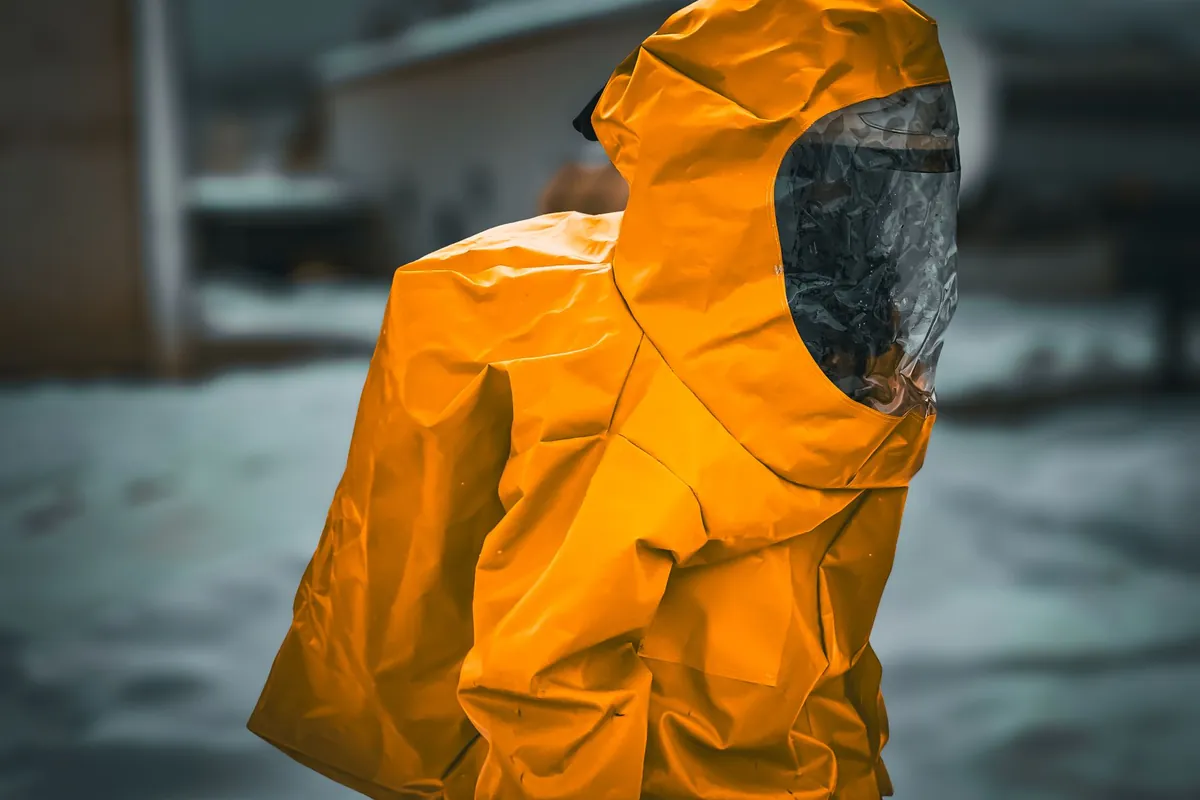
Chemical and toxic waste cleanup uses controlled methods to remove product spills, leftover residue, compromised containers and contaminated materials. It then covers surface cleaning and correct disposal of the waste.
Before cleanup begins, you need to know which material is present. A report from emergency responders, shipping documentation, the product label or its safety data sheet may supply that information. Chemical identity is critical. An approach that works safely on one substance can cause a reaction with another. Avoid contact with unidentified powders and liquids, do not smell them closely, and never add a cleaner. Once identified, the substance's hazards govern each cleanup decision.
Chemical cleaning services may be used in a vehicle, home, rental unit, garage, workshop, warehouse or commercial property. Cleanup starts by marking the affected space along with the area around it. It also requires hazard-appropriate protective equipment, controls that keep residue in place, and separation of salvageable belongings from hazardous waste. Bodily fluids, animal waste and any other biological hazard require their own biohazard remediation steps.
Belongings are sorted according to material and contamination. Treatment is chosen by item so personal property is not subjected to one chemical method that might cause further harm.
Property owners and other responsible parties can receive arranged waste documents, photographs and cleanup scope details, as can insurance companies. The paperwork may clarify for restoration services what was taken away before repair work starts.
Daytime and nighttime calls are answered, with arriving crews using discreet, unmarked vehicles. Before anyone plans entry, you can describe the substance, location and urgent concern.
You receive an explanation of known details, unanswered identification questions and why each suggested containment, cleaning or removal action is necessary before approving progress.
Professional cleanup is appropriate when the material is unknown, the label warns against ordinary disposal, fumes or reactions are possible, or contamination reached more than a small cleanable surface. Every situation needs a plan based on the material and affected surfaces. Common situations include:
Chemicals may be present with needles, bodily fluids, urine, feces or animal waste, and every hazard requires its own safe cleaning process.
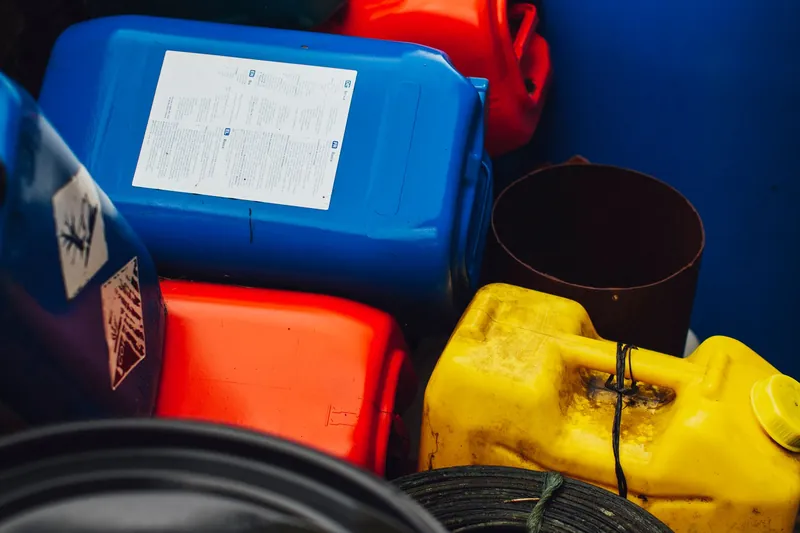
Sorting mixed waste and old containers must be done without opening bottles or drums, pouring contents or combining materials.
A process spill or damaged container can call for restricted entry, documentation and coordination with whoever manages safety at work.
When a chemical spills in the passenger compartment or trunk, it may saturate cargo, trim, padding and carpet, leaving residue and lasting odor.
Protect yourself from exposure first, and avoid carrying the substance into other spaces. Only take actions that let you remain a safe distance from the affected area:
Call (888) 440-9227The published Fixr guide lists just one hazardous chemical amount, $30 to $50 per barrel. The figure guides disposal costs and does not represent the full cleanup charge. An assessment of the material and all affected areas is needed because identification, labor, containment, transport, packaging and removal of surfaces influence the final scope.
Published national cost guides are the source for these ranges, rather than an inspection of your property. After an on-site assessment, the price for your property is determined and shared with you before cleanup begins.
Ask about cost: (888) 440-9227Whether insurance applies depends on policy terms, what caused the release, and who controlled or owned the material. Photos, receipts and details of the work scope can be organized as part of insurance assistance, but coverage is decided by the insurance company. Make a prompt report and ask what documentation must be submitted.
Each business policy differs. After reporting the event, the business or property owner should keep relevant records and labels and confirm whether environmental work and damaged items are covered.
Confirm whether testing, chemical cleanup, hazardous waste disposal, contents and restoration are covered. Also ask about your deductible and all required receipts, reports and photos.
Renters and homeowners coverage may distinguish certain abrupt spills from slow leaks, pollutants excluded by the policy and improper storage. Before you authorize non-emergency work, ask how the cause is classified.
Responsibility may involve the property owner, renter, employer, contractor or whoever brought in the material. A lease, work agreement and policy language can affect who pays.
No single remediation routine works for every chemical. The known substance and its hazards should determine each step, with product details and information from the property establishing the sequence. A chemical cleaning service commonly follows these stages:
The affected area is mapped with surrounding areas after technicians study product labels, location information and safety data, but before anything is disturbed.
To stop residue from traveling on shoes, through air or on tools, technicians limit access and establish a controlled zone.
Protective clothing, gloves, breathing protection and eye gear are chosen according to the identified danger and type of work.
Without combining materials that may react, technicians package recoverable liquids, damaged containers and powders in suitable sealed vessels.
Carpet and pad, wallboard, insulation and absorbent vehicle parts are taken away when safe and complete cleaning cannot be achieved.
A suitable hard surface is cleaned through a process selected around its material, the substance and instructions from the manufacturer.
After packaging and labeling, waste goes to a suitable facility based on its type and the rules that apply.
A final check looks for chemical remains, lingering odor and material tracked from the site, while your cleanup and waste paperwork is put in order.

Call at any time. Your chemical and toxic waste cleanup specialist answers the phone, describes what happens next and works with you on a start time.
Chemical exposure can create risks for your skin and eyes, your ability to breathe, and your nervous system. Safe precautions depend on identifying the material and understanding its concentration.
Chemical material can splash in liquid or powder form, or travel as residue on tools, gloves and shoes. The product information should guide protective equipment and decontamination steps.
Exposure may spread and another reaction may occur if you mix containers, put hazardous waste in regular garbage or empty chemicals down a drain.
Contamination may soak into upholstery, drywall, bare wood, carpet and padding. A surface wipe may miss residue that has penetrated the material.
Can you clean it yourself? Only clean a small spill yourself when the product identity is certain, clear label directions are available, everyone is symptom-free and you can complete each required safety measure. Stay outside and get emergency advice or professional cleanup when material is unidentified, reactive, has a strong odor or has entered an absorbent surface.
Chemical cleanup time cannot be set safely until the material, quantity and spread are understood. A known substance on an accessible hard surface is simpler than an unknown product that reached wall cavities, flooring, soil or several rooms.
| Scene | Typical time on site |
|---|---|
| A known chemical confined to limited non-porous material | A timeline is determined after examining the impacted surface and label |
| Chemical absorbed into porous materials | Longer when removal, packaging and disposal are required |
| Unknown material or broad contamination | Cleanup starts once the dangers are known and controls are ready |
Chemical odor removal begins with identifying and removing the source. Fragrance, an air freshener or a general deodorizer can hide a smell without removing residue. Air movement must also be chosen carefully because a fan can spread vapors or particles into surrounding areas.
The area can be inspected for lingering odor and tracked residue once contaminated items and chemical deposits have been removed. Any filtration, ventilation or other treatment of the air must be appropriate for the identified substance. Heat and ozone do not work as universal solutions. Neither should replace removal of the source or guidance specific to the chemical.
At workplaces under its scope, OSHA Hazard Communication Standard 29 CFR 1910.1200 deals with training workers and communicating chemical risks through labels and safety data sheets.
Safety data sheets and labels explain product hazards, materials that conflict, needed protection and response details. They should guide the cleaning process when the product is known.
Waste rules depend on what the material is and where it came from. Before chemical waste is transported or discarded, its identity should be established, and local instructions may be more restrictive than household trash requirements.
When biological contamination is also present, an EPA-registered disinfectant should be used on a compatible surface for the full contact time stated on its label. Removing the chemical remains necessary even when disinfection occurs.
The full chemical and toxic waste cleanup guide covers what is cleaned or removed, odor and air quality work, and the rules that apply in your state.
Read the full chemical and toxic waste cleanup guideContainment, entry and cleanup plans can be influenced by local housing, population and access details.
In an area with 27.5% renter occupancy, direct homeowner approval can simplify choices about opening walls or replacing affected finishes.
The local median home dates to 1974, making a room by room material assessment more useful than one cleaning method everywhere.
In Welby, 481 older adults live alone, making privacy important when relatives, landlords, or building staff become involved.
A single-family share of 71.2% makes private entrances useful for discreet equipment movement during a sensitive cleanup.
Your phone conversation can include questions about service in nearby ZIP codes and communities.
Hazmat cleanup uses the appropriate protective equipment for hazardous materials.
See hazmat cleanup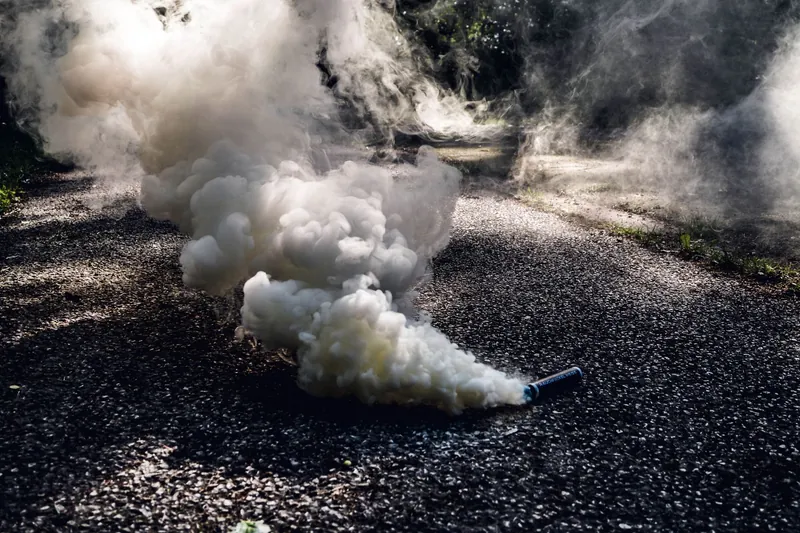
Residue from tear gas and pepper spray is cleaned after police action or self-defense.
See tear gas and pepper spray cleanup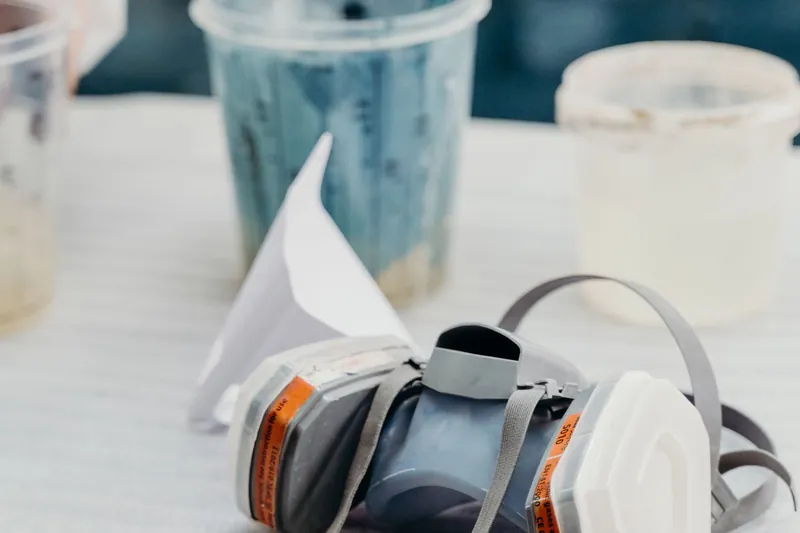
Meth lab cleanup includes testing for residue, decontaminating the space and completing clearance steps.
See meth lab cleanup
Affected rooms, vehicle interiors and surfaces are decontaminated after fentanyl exposure.
See fentanyl decontamination
Mold, chemical residue and damage from indoor growing are removed during grow house cleanup.
See marijuana grow house cleanup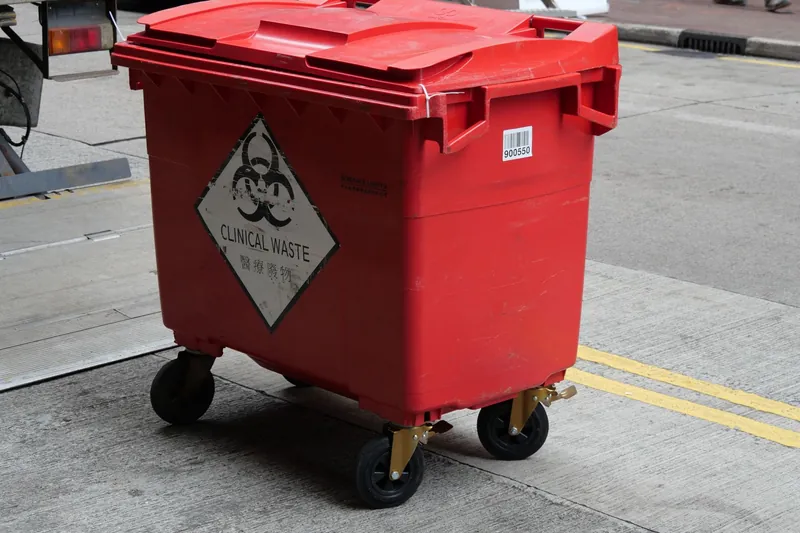
Medical waste removal and disposal through approved treatment facilities.
See medical waste removal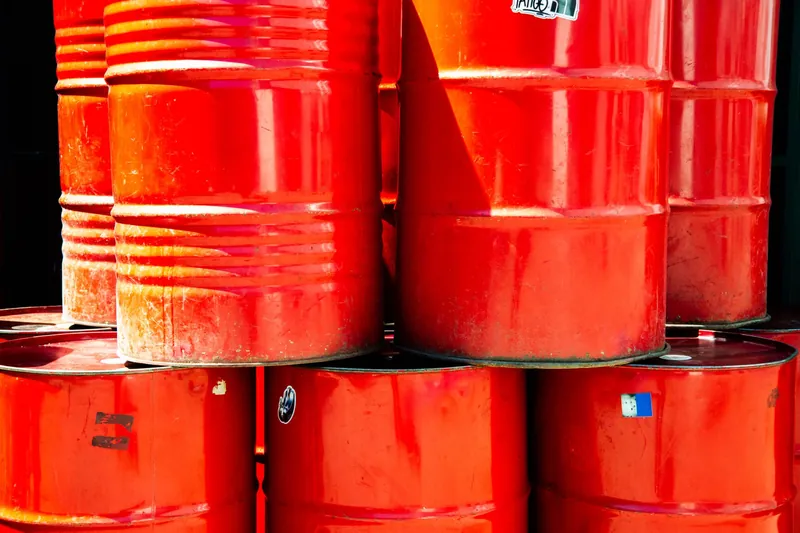
Biohazard waste is collected in labeled, sealed containers and taken for disposal.
See biohazard waste disposal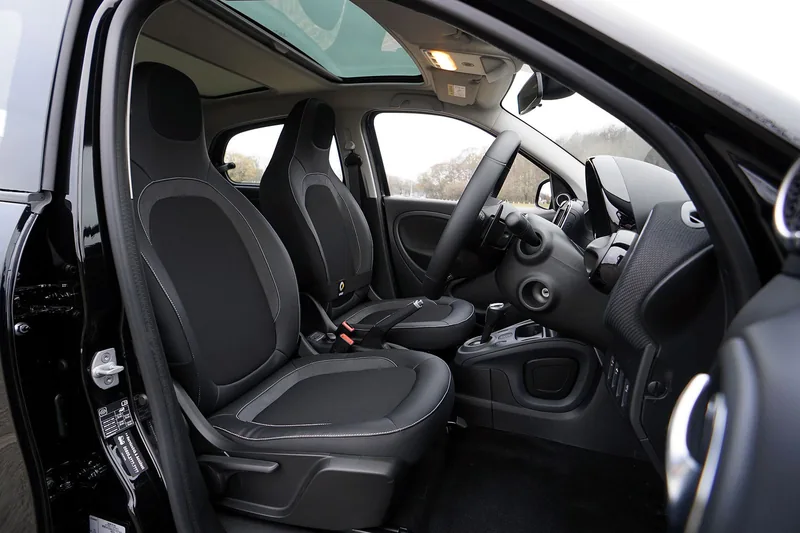
Biohazard cleanup covers vehicles including cars, trucks, recreational vehicles and boats.
See vehicle biohazard cleanupHuman waste should be treated as biological contamination rather than only as a toxic chemical. Contaminated dust may be released from dried waste during disturbance, and heavy buildup can cause bothersome odors along with poor air quality. Never combine cleaning products on the waste. Keep away, ventilate only when safe, and seek urgent help for breathing trouble.
Coverage varies based on your policy and the cause of the release. A policy may distinguish abrupt accidental damage from ongoing leakage, pollutants it excludes and chemicals stored improperly. Notify the insurance company, retain labels and safe-to-take photos, and request details about coverage for cleanup, waste disposal, damaged contents and restoration.
The Fixr cost guide lists hazardous chemicals at $30 to $50 per barrel. The amount does not account for all cleanup components. The chemical type, amount, containment, packaging, transport, disposal fees and contaminated material removal all affect the total for your property.
A biohazard cleanup team may also address chemicals when the specific substance, amount and protective equipment needs fit its capabilities. Directly confirm whether the specific substance and property category can be addressed. An active release with fumes, fire, a reaction or illness needs emergency response before a cleanup service enters.
Biological hazards include infectious blood and other bodily fluids, along with some forms of animal waste. Toxicity, flammability, corrosiveness or reactivity can make a substance a chemical hazard. One event can contain both. The distinction affects protective gear, cleaning products, packaging and waste disposal, so identification is an important first step.
Avoid trying to find a chemical for dissolving human waste. Wear suitable protective equipment to collect the solid material before cleaning and disinfecting surfaces that are compatible. Keep bleach separate from ammonia and every other cleaner. Choose professional cleanup when waste covers a large area, has dried, includes chemicals or has penetrated wallboard and flooring.
Crews carry out respectful, discreet chemical and toxic waste cleanup, arrive in unmarked vehicles and take calls 24 hours a day.